The Second Invoice: How Paid Vehicle Features Are Reshaping UK Car Ownership
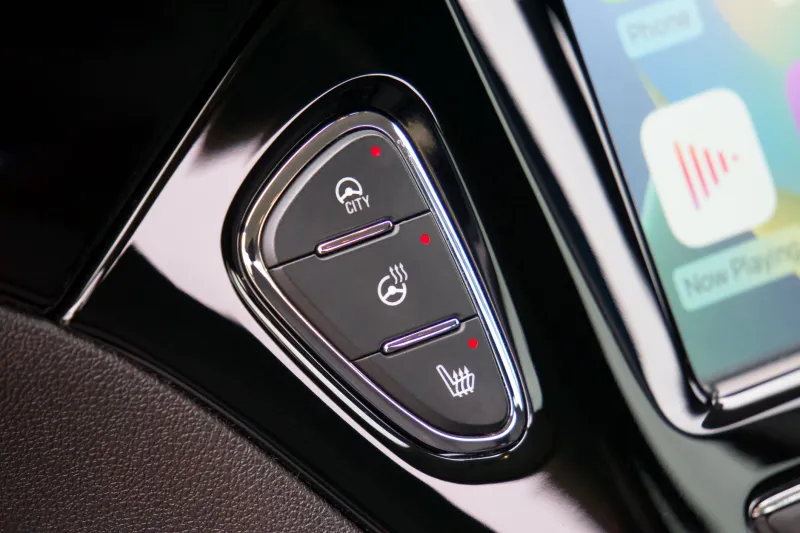
Walk into a UK dealership in 2026 and the specification sheet may look familiar: heated seats, matrix headlights, parking assistance, even improved acceleration. What is less familiar is the footnote. Some of that equipment is physically fitted, yet remains inactive until the buyer pays again — by monthly subscription, one-off unlock, or an account-based activation.
The practice is not entirely new, but it has matured into a routine part of new-car retail. For UK buyers, the issue is less about whether paid features are good or bad and more about recognising a second invoice that may not appear in the showroom conversation. The car is one purchase; the software that governs parts of it can be another.
The hardware is already there
A software lock is exactly what it sounds like. The manufacturer installs a component — a heated seat element, a camera module, a headlamp unit with extra LEDs — and then uses software to determine whether the driver can use it. Activation may happen through the car's touchscreen, a phone app, a dealer visit or an over-the-air update.
This differs from buying an optional extra that is simply absent. In a software-locked car, the cost of the hardware may already be baked into the list price, even if the function is not available. That is why the arrangement can feel counterintuitive: the buyer owns the seat, but not necessarily the warmth.
Manufacturers describe the model in several ways. Some features are sold as subscriptions, some as one-off digital unlocks, some as time-limited trials that convert into paid services. Others are bundled into a trim level or a technology pack and only become separately chargeable later. The labels matter, because a monthly payment and a permanent unlock have very different implications for ownership, transfer and resale.
What the buyer is actually paying for
Not every paid feature is a straightforward rental of hardware. Some subscriptions cover ongoing costs: mobile data for connected services, map updates, live traffic, remote climate control or security monitoring. Those services depend on a network and a back-end system, so a recurring charge can be defensible. A heated seat is different. The element is in the car, the wiring is in the car, and the main ongoing cost is the software licence and administration around it.
Buyers should therefore separate three questions. Is the feature physically fitted? Is it active at the point of sale? And what happens after the trial or subscription ends? A car that includes a three-month trial of adaptive headlights may be described as having adaptive headlights, but the buyer needs to know the price of keeping them.
A pre-signature checklist for UK buyers
The most important step is to ask for the feature schedule in writing. The verbal assurance that 'it comes with everything' is not enough. A useful schedule should list which features are standard, which are trial-only, which require a subscription and which can be unlocked permanently. It should also state prices inclusive of VAT, billing frequency, cancellation terms and whether the price can change during the contract.
Buyers should confirm transferability. If a car is sold privately or part-exchanged, does the next owner inherit the unlock, or must they pay again? A feature tied to the first owner's account can be worth less in the used market than the same feature built into the car permanently. Dealers should be able to explain whether the entitlement follows the vehicle or the person.
It is also worth checking connectivity. Many software features depend on the car's mobile data connection. Ask what happens when the data plan expires, whether a replacement SIM or eSIM is required, and whether the feature still works in poor signal areas. A subscription that depends on continuous coverage is not the same as a switch that works anywhere.
Before signing, test the features with the salesperson present. Confirm that the trial is active, that the account is set up correctly and that the buyer understands how to cancel. Ask about software support periods, warranty treatment and repair. If a subscribed feature fails, the buyer should know whether the remedy sits with the dealer, the manufacturer or a digital services team.
Finally, check the finance agreement. If the car is bought on finance, the monthly feature charges sit alongside the car payment, insurance, servicing and fuel or charging. They should be included in the affordability calculation from the start, not discovered after delivery.
Where consumer law and finance fit
The Consumer Rights Act 2015 remains the central framework for UK car buyers. Goods must be of satisfactory quality, fit for their purpose and match their description. If a feature is advertised as included, the buyer should not later discover that it was merely a trial. Digital content supplied with goods is also covered, which matters when a car's functions depend on software.
The Act also addresses unfair terms in consumer contracts. Subscription terms should be transparent and should not create a significant imbalance between the buyer and the seller. The Digital Markets, Competition and Consumers Act 2024 strengthened the consumer enforcement landscape, giving regulators more scopeto act against misleading commercial practices. That does not mean every paid feature is unfair; it means the terms and the sales presentation must be clear.
Where a car is financed, the credit agreement is a separate product with its own affordability rules. Buyers should treat feature subscriptions as part of the total monthly cost and ask what happens if they cancel a subscription mid-term. Consumer law may protect against misleading descriptions, but it does not set the price of an unlock.
The resale question
Software locks complicate the used market. A second owner may find that the car has the hardware for a feature but not the entitlement. Private sellers should keep records of any permanent unlocks and confirm whether they can be transferred. Dealers should disclose subscription status clearly, because a car with expired connected services is not the same product as one with a live package.
Resale values are already sensitive to specification. In 2026, buyers are increasingly likely to ask whether a feature is owned or rented. A permanent unlock may add value; a personal subscription may add nothing. The safest approach is to treat any software entitlement as part of the car's history, alongside service records and warranty status.
Doing the arithmetic
Paid features are not automatically poor value. A short-term subscription can suit a buyer who keeps a car for two or three years, while a one-off unlock may make more sense for long ownership. A higher trim level may bundle the same features for less than several years of monthly payments, but it may also carry a higher purchase price and different depreciation.
The practical answer is a simple total-cost calculation: purchase price, plus unlocks and subscriptions over the expected ownership period, plus connectivity and insurance, minus an honest estimate of resale value. That figure is the real price of the car. The showroom invoice is only the first part of it.