The Access Ledger: Renting a Home With a Connected Lock in 2026
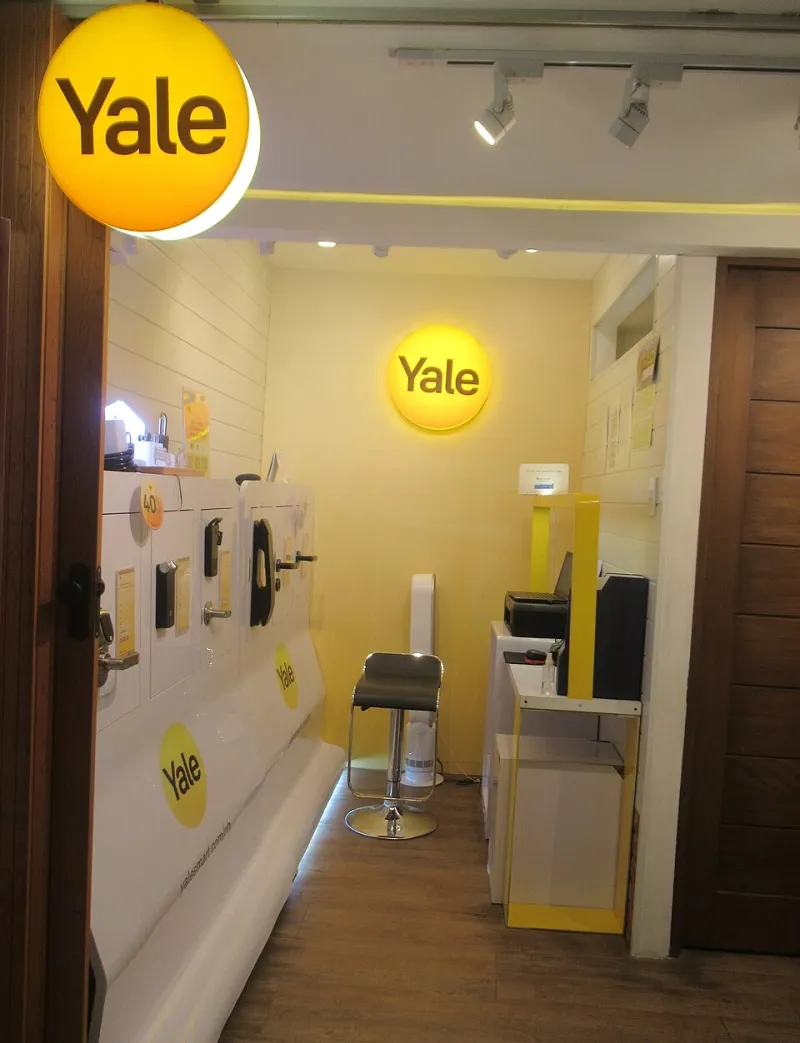
Photo: Unknown, CC BY-SA 4.0, via Wikimedia Commons
A connected front door looks like a simple upgrade. Instead of a metal key, a tenant receives a code, a card or an app invitation. The lock itself may be a neat piece of hardware, but the product being installed is not merely a cylinder and a keypad. It is an access system with an owner, an administrator, a cloud account and a record of events. For a renter, the important question is not whether the lock is convenient. It is who holds the keys — and what happens when the tenancy ends.
The lock is the visible part of a longer chain
A smart lock in a rented home typically involves at least four parties: the landlord, the letting agent or managing agent, the lock manufacturer’s cloud service, and the tenant. In some arrangements a building manager or an integrated access platform sits between them. Each party may have a different level of control. The landlord may own the hardware. The agent may administer the account. The manufacturer may host the audit log. The tenant may hold only a time-limited digital key.
That chain matters because access is no longer a physical object that can be handed over and cut. A digital key can be duplicated, revoked, scheduled or silently allowed to expire. It can also be tied to a person’s phone, email address or app account. Before accepting a connected front door, a renter should ask for the access model in writing, not just a demonstration at the viewing.
Three permission layers to identify
The first layer is account ownership. Who is the primary administrator of the lock? If the letting agent leaves the picture, does control pass to the landlord or to a new agent? If the manufacturer changes its subscription terms, who is responsible for keeping the lock working? A tenant should not assume that possession of a working app means ownership of the underlying account.
The second layer is key issuance. How are digital keys created, and who can create them? Can the landlord or agent issue a new key without informing the tenant? Can they revoke a key remotely during the tenancy? Are there separate roles for permanent, temporary and one-off access? A clear system will distinguish between an emergency contractor key, a cleaner’s weekly access and a tenant’s everyday key.
The third layer is the fallback. What happens if the Wi-Fi fails, the hub goes offline, the app is updated or a phone is lost? A well-procured lock should have a mechanical override, a clear battery-replacement procedure and a named contact for access problems. A tenant should know where the override key is held and who can use it.
What the lock can record
Connected locks commonly keep an event log: time, date, user or key identifier, and whether entry was by app, code, card or mechanical key. Some systems add geofence data, phone model, IP address or battery status. The exact mix depends on the manufacturer and configuration. For a landlord, this can support maintenance visits and communal security. For a tenant, it can reveal daily routines, late arrivals and periods away.
This is where the procurement question becomes a privacy question. The lock may be the landlord’s hardware, but the data can describe the tenant’s home life. A renter should ask what is logged, who can view it, how long it is retained and whether it is shared with the agent or manufacturer. The answer should be specific. “For security purposes” is not an access policy.
At the end of a tenancy, a digital key is not a spare key
When a tenancy ends, the physical key is usually returned and the lock is changed or rekeyed if the landlord is prudent. A digital key needs a different process. The tenant’s app access should be revoked, not merely deleted from the tenant’s phone. Any temporary codes, cleaner keys or contractor invitations should be cancelled at the same time. The landlord or agent should confirm in writing that the tenant no longer has access and that the lock’s user list reflects the change.
There is also the question of the tenant’s own data. Does the app account remain active? Does the manufacturer retain entry history after the tenancy? Can the tenant request deletion? These points are easier to settle before move-in than after the final inspection. A practical handover note should list the lock model, the administrator, the fallback method and the date access will be removed.
Questions to ask before signing
A renter does not need to become a locksmith, but a short written checklist can prevent an awkward dispute later. Ask who owns the lock account, who can issue and revoke keys, what entry data is collected, how long it is kept and who can see it. Ask how contractors gain access and whether the tenant will be told in advance. Ask what happens during a power cut, a broadband outage or a lost phone. Ask how access is removed at the end of the tenancy and what proof will be provided.
It is also reasonable to ask whether the lock has been fitted to the door correctly and whether the landlord’s insurer has been informed. Connected hardware can affect buildings insurance and, in flats, the freeholder’s rules on communal doors. Those are procurement details, not tenant paranoia.
A front door should not be a black box
The smart lock is a useful example of a wider shift in UK rental hardware. Convenience is being pushed into the fabric of the home, but the paperwork often lags behind the product. For tenants, the safeguard is an access ledger: a plain record of who controls the lock, who can open it, what it records and how access ends. A connected door can be perfectly workable in a rented home. It should not be a black box that only the landlord understands.