Repair Scores and Reality: Which UK Gadgets Are Worth Fixing in 2026
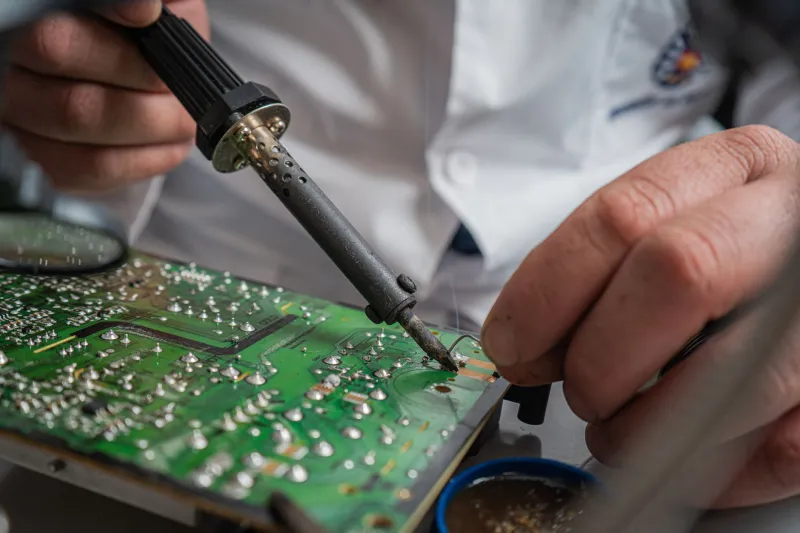
Right to repair has moved from campaign slogan to sales pitch. In 2026, UK buyers are told that phones are modular, laptops are upgradeable and appliances are built for a decade. Some of that is true. Some of it is a press release wrapped around a glued battery.
The UK's legal right to repair is narrower than the phrase suggests. Rules introduced in 2021 require makers of certain large appliances and electronic displays to supply spare parts for up to a decade, but they do not cover smartphones, laptops or earbuds. For those products, the buyer's leverage comes from published repair information, parts pricing, warranty terms and the willingness of independent repairers to work on the device.
How to judge a repair claim
Four questions separate substance from theatre. Can you or an independent shop buy the parts at a sensible price? Is there a service manual or parts catalogue? Does the software accept replacement components without locking features? And does the warranty survive a routine battery or screen repair? A device that scores well on all four is genuinely repairable; one that fails the software test is not, however modular its case.
Smartphones: progress at the edges
Fairphone remains the clearest example of a mass-market phone designed for repair. Its current models use replaceable modules and publish spare parts through a dedicated shop, with a multi-year warranty. Apple's Self Service Repair programme covers a growing list of components, and independent shops can buy some genuine parts, but parts pairing and software checks still complicate some repairs. Samsung's self-repair scheme is useful for common jobs such as screens and charging ports, though it does not cover every model.
For most buyers, the practical test is the cost of a battery and screen replacement two or three years after purchase. If a screen costs more than half the replacement value of the phone, the repair claim is thin. Ask the manufacturer for a parts price before you buy.
Laptops: the business-grade advantage
Framework laptops remain the benchmark for upgradeable, repairable portables, with published guides, replaceable ports and a parts store. Business ranges from Dell, Lenovo and HP often do better than consumer models because organisations demand long warranties and service manuals. The weak points are soldered memory, soldered storage and batteries that require a full chassis strip-down. A laptop with a user-replaceable battery, standard SSD and published service manual is likely to last longer than a thinner model with none of those things.
Earbuds: the weakest category
True wireless earbuds are where repair promises most often collapse. Batteries are small, glued in place and often not sold as spare parts. Charging cases are sealed. A few exceptions exist, including Fairphone's repairable earbuds, but the category as a whole remains close to disposable. Buyers who care about longevity should treat battery life and replacement policy as primary specifications, not afterthoughts.
Washing machines and large appliances: better, but not free
The UK's ecodesign rules have improved parts availability for washing machines, dishwashers, fridge-freezers and televisions. Manufacturers must make certain spare parts available for years after purchase, and professional repairers can access technical information. The catch is labour. A cheap machine with an expensive call-out charge can still be uneconomic to fix, and the rules do not guarantee that a local repairer will carry the part.
Before buying, check the manufacturer's spare parts list, the length of the guarantee and whether a local repairer will work on the brand. Which? and other consumer groups publish reliability data that is more useful than a repairability badge.
Tablets and smartwatches: still sealed
Tablets and smartwatches sit closer to phones than to laptops. Batteries are often glued, screens are expensive and parts channels are limited. Apple and Samsung offer repair services, but independent access varies. For these products, an extended warranty or a battery service plan may be more realistic than expecting a long DIY life.
A buyer's shortlist
If repairability is a priority, favour products with a published parts store, a service manual, standard screws and a battery that can be replaced without destroying the device. Ask whether independent repairers can buy parts, and check the warranty wording for exclusions after repair. The best device is not the one with the loudest repair slogan; it is the one that can still be fixed in 2031 at a price that makes sense.
The verdict
The UK market has made real progress in laptops, large appliances and a handful of phones. Earbuds, tablets and most smartwatches remain largely sealed. Buyers who want fewer throwaway gadgets should reward the categories where parts, manuals and warranties line up, and treat the rest with scepticism.